Imaging pipeline
From light to meaningful information.
Optics · Sensors · ISP · HDR · Calibration Plan your training ↗
TECHNICAL TRAINING / UPSKILLING / SCHULUNGEN
House of Vision · School of Imaging
From the first photon to the final decision. Technical training and upskilling that connect imaging, AI, strategy and safety with the questions your team faces.
Engineering depth. Shared understanding.
Speak with data.
Learn how every layer
changes the picture.
01 / WHAT YOU CAN LEARN
FOUNDATIONS ↔ APPLICATIONBuild a connected understanding of imaging. Explore individual topics or combine them into a learning path shaped around your team.
From light to meaningful information.
Optics · Sensors · ISP · HDR · CalibrationMeasure what matters. Explain what you see.
SFR / MTF · Noise · Color · Dynamic rangeConnect images, data and the task.
Machine learning · Datasets · EvaluationUnderstand the algorithms behind the image.
Demosaicing · Denoising · Computational imagingExplore performance limits and challenging scenarios.
Use cases · Scenarios · Perception limitationsBuild a shared language for technical decisions.
Speak with data · Roadmaps · Technical communication02 / LEARN BY EXPLORING
More processing does not automatically mean more useful information. Explore this simplified example, then connect what you see to the measurement question.

Move the slider. Watch detail soften, confidence fall and person detections drop out.
A pixel (picture element) is one sample in a digital image. Its values describe brightness and color at a position in the image grid. The familiar little square is a way to display that sample.
A sensor pixel is a physical light-sensitive element. In a typical color camera, processing combines measurements from neighboring sensor elements to produce the output image. More pixels can capture more detail, but image quality also depends on optics, light, noise and processing.
Spatial frequency response can help describe detail transfer. A real evaluation also needs controlled capture conditions, a defined target and metrics linked to the task. This blur exercise is illustrative; it is not a camera measurement.
A detector score expresses model confidence for a proposed detection. It is not automatically a calibrated probability, image-quality metric or safety guarantee. Evaluate detections against labelled data using precision, recall and overlap criteria; assess calibration separately.
The slider simulates confidence falling to 15% and two detections dropping out as blur increases. These scripted teaching values do not come from a running AI model; real behavior depends on the model, scene and evaluation conditions.
03 / IMAGING ACROSS DOMAINS
The principles travel. The task changes. Learn to relate image quality, processing and perception to the environment in which a system operates.

ADAS, automated driving and in-cabin imaging.
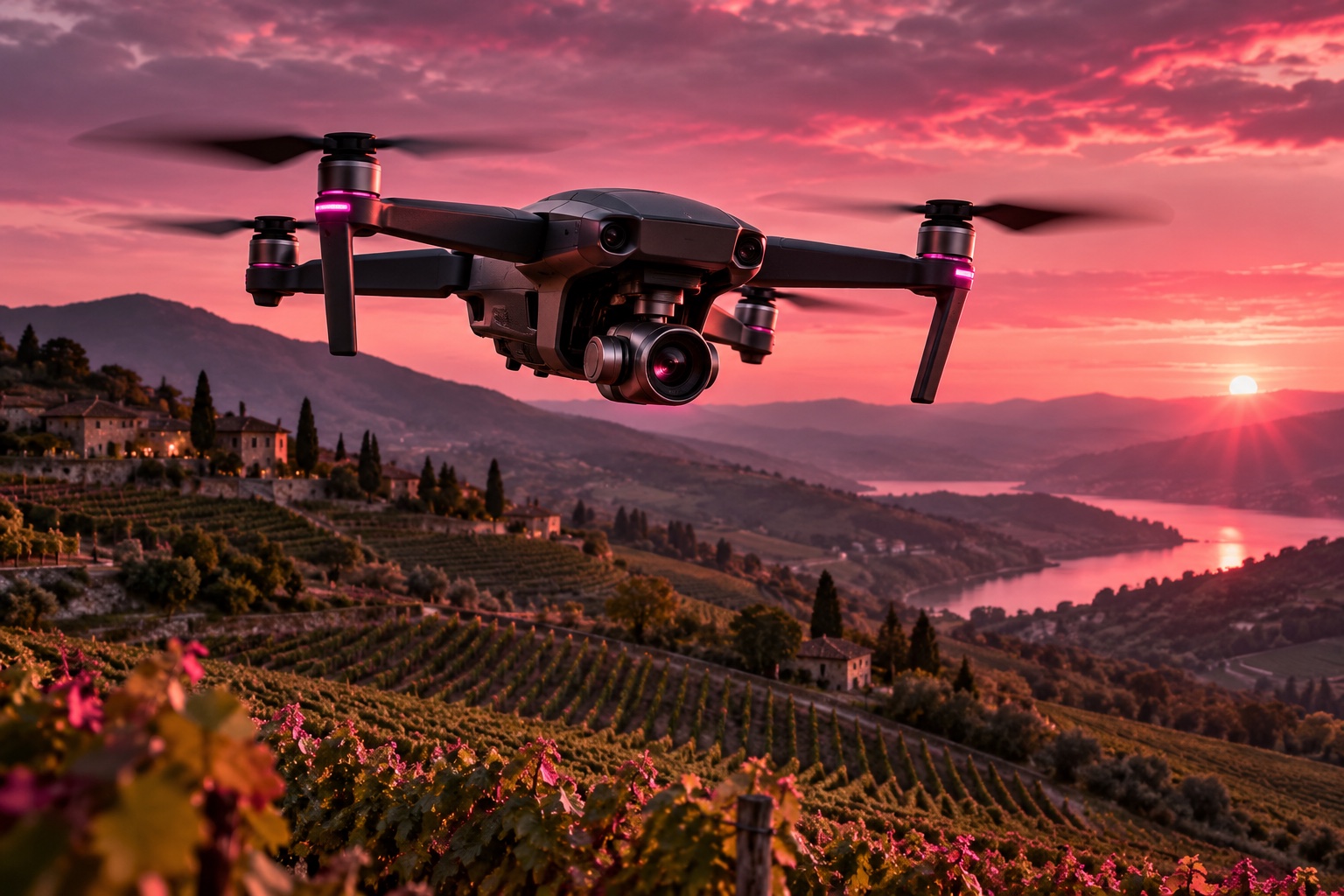
Moving cameras. Changing environments.
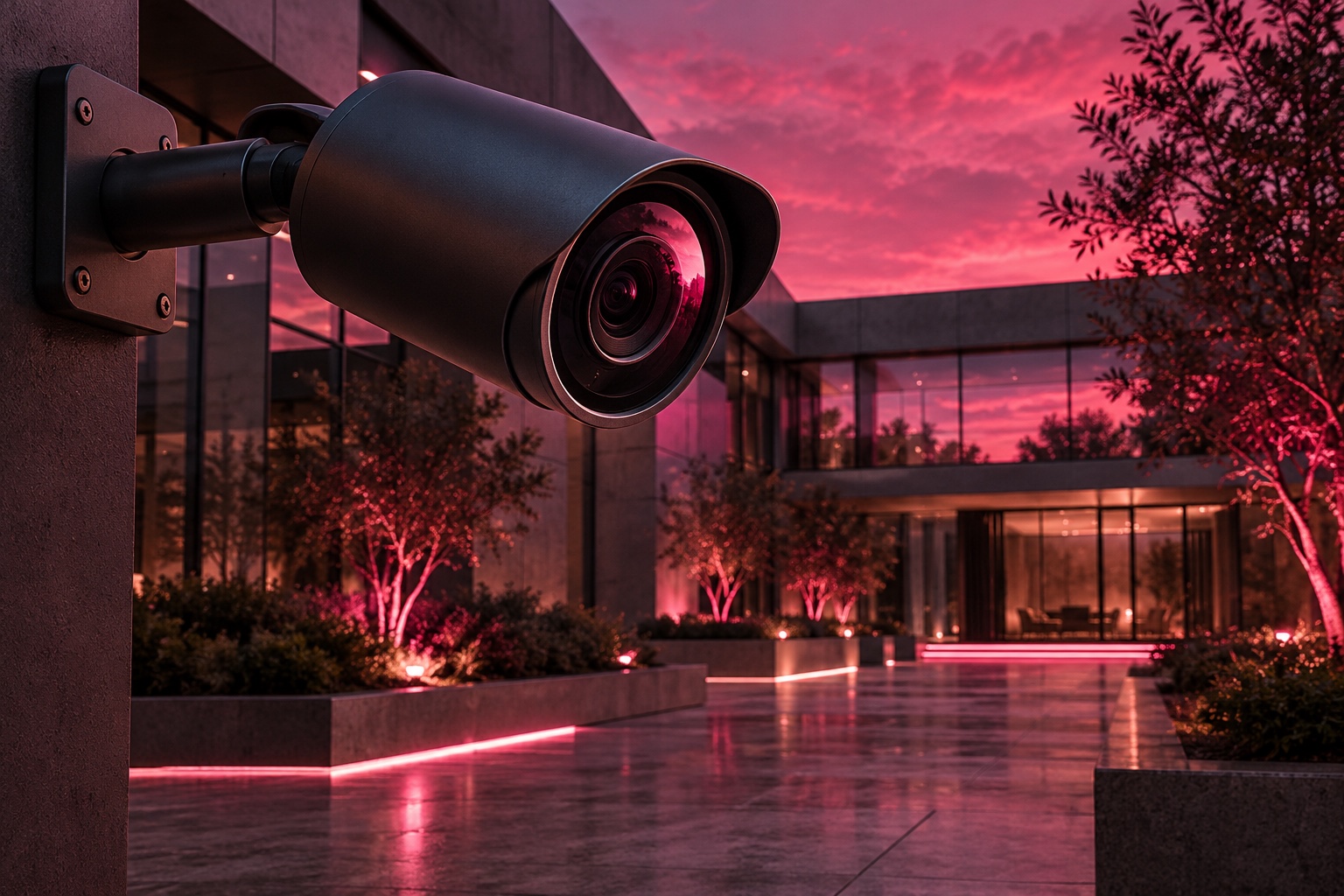
Understand scenes, signals and system tradeoffs.
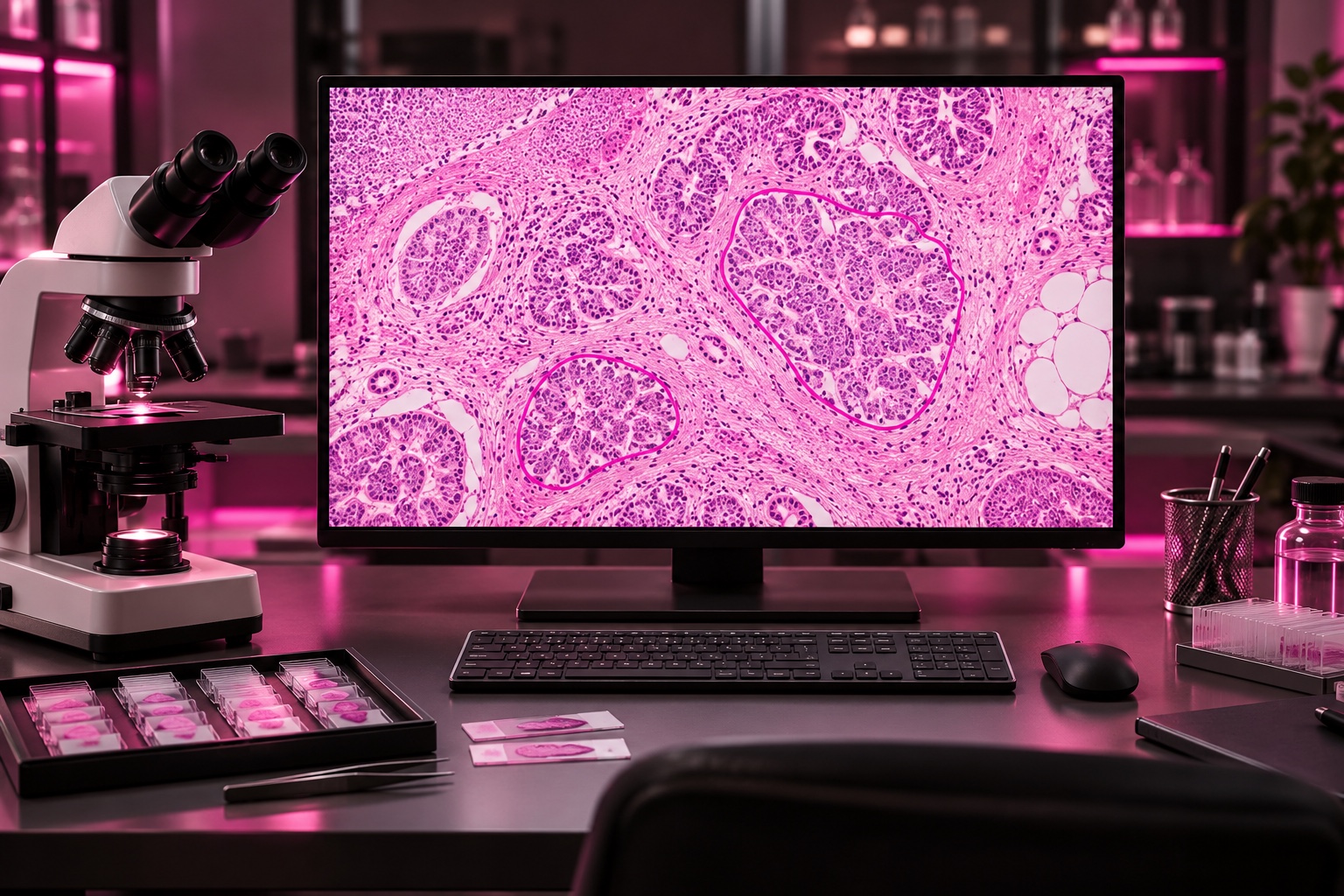
Image formation, image quality and AI-assisted analysis across medical applications.
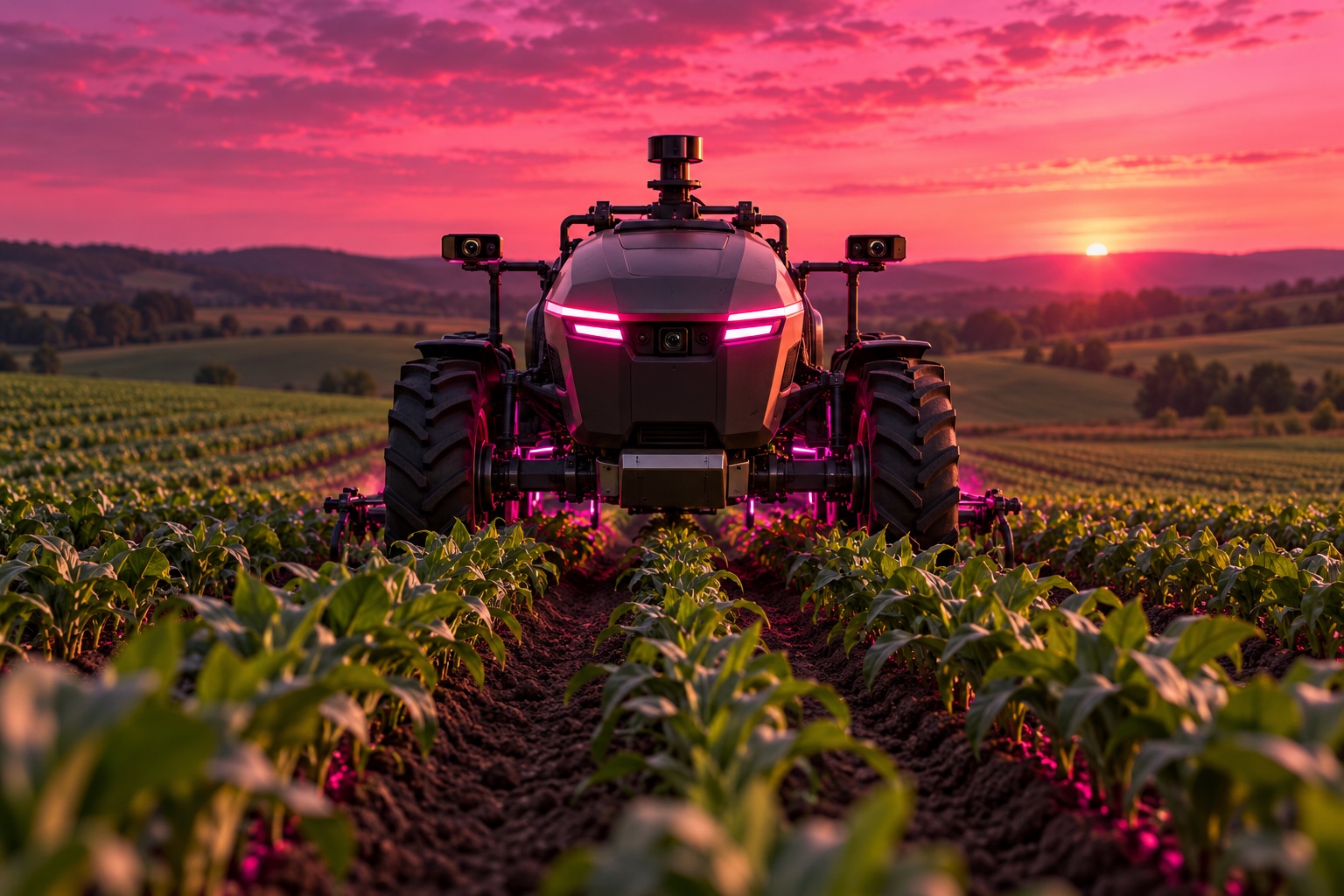
Camera perception for precision farming and autonomous field machines.

Face authentication through the example of iPhone Face ID: imaging, depth sensing and system limits.

Embodied perception, computer vision and safe interaction.

Artificial intelligence, trustworthy AI
Illustrative AI-generated application imagery. The phone image is a generic face-authentication visualization; medical images are synthetic examples for training.
04 / YOUR TEAM. YOUR LEARNING PATH.
Define the audience, technical depth and learning goals together. Build the format around the knowledge your team needs next.
Go deep on a specific technical question.
Connect foundations, examples and practical discussion.
Link topics to your team’s prior knowledge and goals.
Up to the bottom of the pool and beyond.
05 / GO DEEPER. KEEP EXPLORING.


There’s even water in the pool — ready for truly deep dives in rigorous scientific detail.
Beyond the pool: take your technical understanding into open water. Explore imaging and beyond with scientific depth.

START WITH A QUESTION
Choose your topics and create a training brief for your enquiry.